ADHD and Anxiety in Adults: Understanding the Overlap
Many adults find themselves asking the same question:
“Is this anxiety… or is it ADHD?”
Do you find yourself having difficulty focusing on things? Always feeling overwhelmed? You procrastinate until the last minute? Thoughts racing through your mind?
These experiences are often attributed to anxiety, ADHD, or both. ADHD and Anxiety have a lot of overlapping symptoms. This causes many individuals to get misdiagnosed.
Understanding the commonalities can reduce shame, increase self-compassion, and help people seek more appropriate support.
Why ADHD and Anxiety Are Often Confused
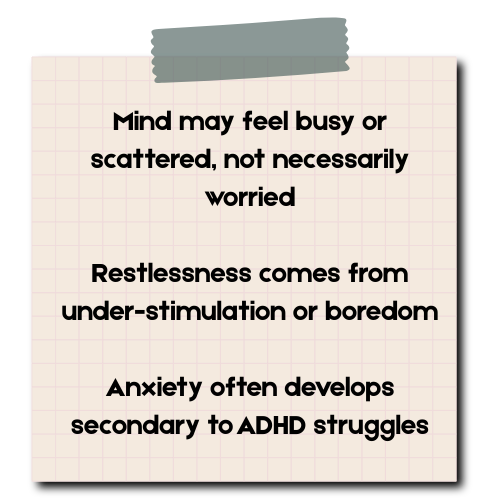
ADHD and anxiety frequently co-occur in adults. In fact, many people with ADHD develop anxiety over time due to repeated experiences of missed deadlines, negative feedback, or feeling “behind.” Likewise, chronic anxiety can impair focus, memory, and motivation: mimicking ADHD symptoms.
From the outside, they can look very similar. However, the underlying causes are different.
Shared Symptoms of ADHD and Anxiety in Adults
1. Difficulty Concentrating
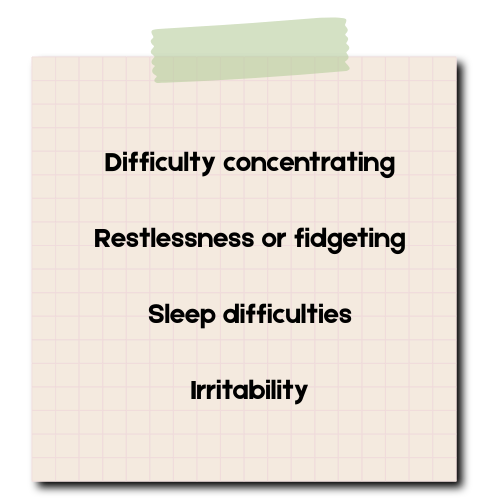
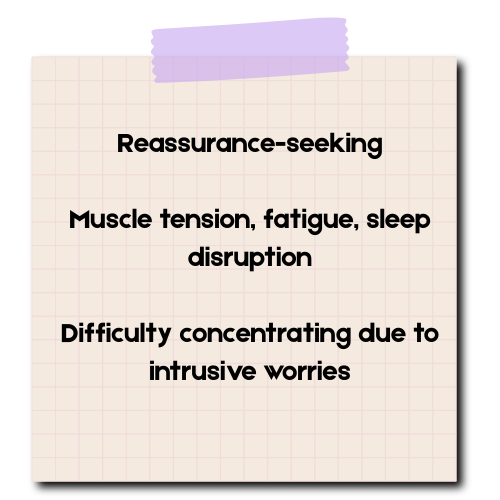
Adults with ADHD or anxiety often struggle to stay focused. This may show up as zoning out, rereading the same information, or losing track during conversations.
The experience feels the same:
“I’m trying to pay attention, but my brain won’t cooperate.”
2. Racing or Busy Thoughts
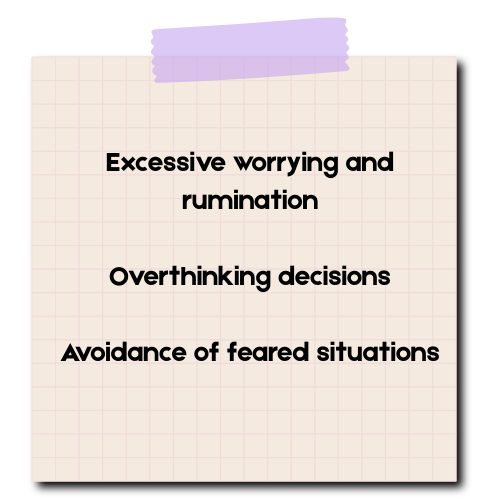
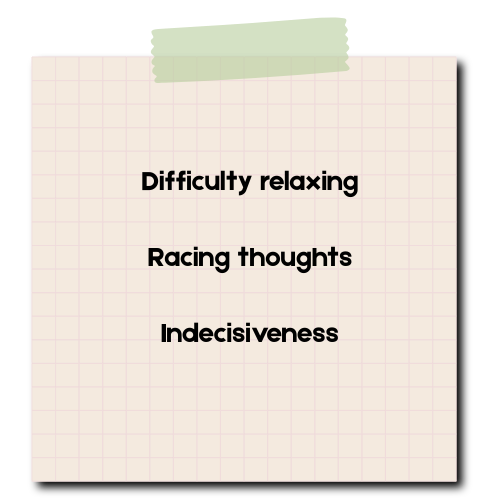
Both conditions can involve a constantly active mind. Thoughts may feel fast, scattered, repetitive, or hard to shut off.
3. Procrastination and Task Paralysis
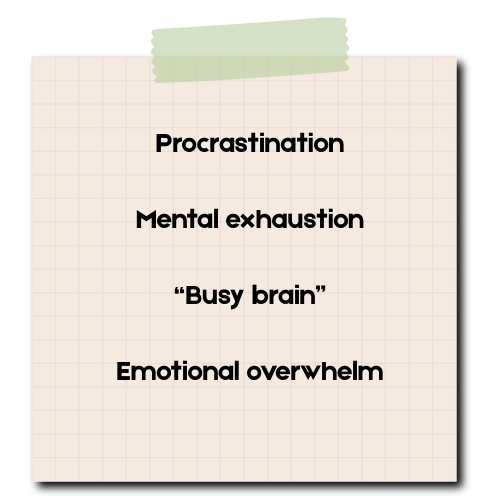
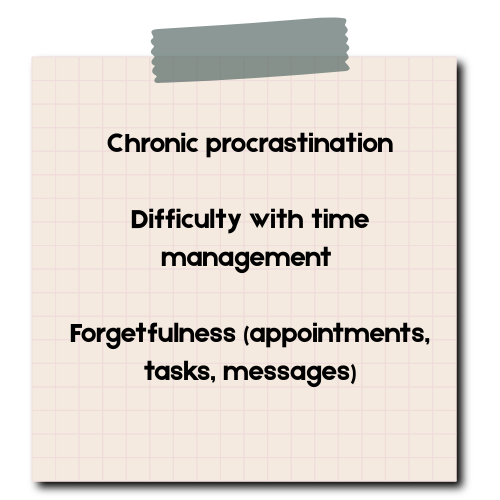
Putting things off is common in both ADHD and anxiety. Tasks may feel overwhelming, leading to avoidance, last-minute scrambling, or feeling “stuck” even when the desire to act is there.
Importantly, this is not laziness: it’s a nervous system and cognitive load issue.
4. Restlessness and Difficulty Relaxing
Many adults experience:
Fidgeting
Pacing
Feeling “on edge”
Trouble sitting still or fully resting
This restlessness can be physical, mental, or both.
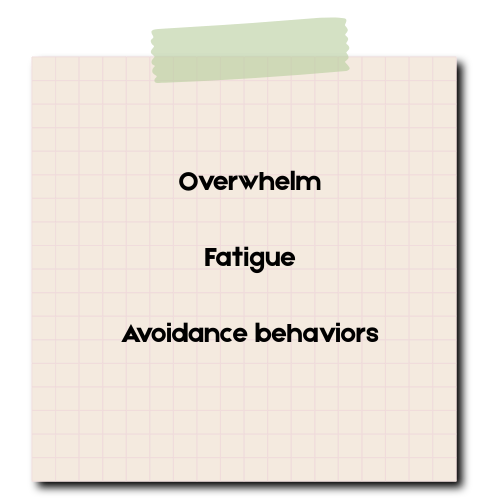
5. Overwhelm
ADHD and anxiety both lower tolerance for stress. Everyday demands can quickly feel like too much, leading to shutdown, irritability, or emotional exhaustion.
6. Fatigue and Burnout
Chronic mental effort, whether from managing attention differences or staying in a constant state of alert, often results in deep fatigue. Many adults report feeling tired even after rest.
7. Sleep Difficulties
Trouble falling asleep, staying asleep, or waking up feeling unrefreshed is common in both ADHD and anxiety. Racing thoughts, restlessness, or difficulty “powering down” can interfere with restorative sleep.
8. Avoidance Behaviors
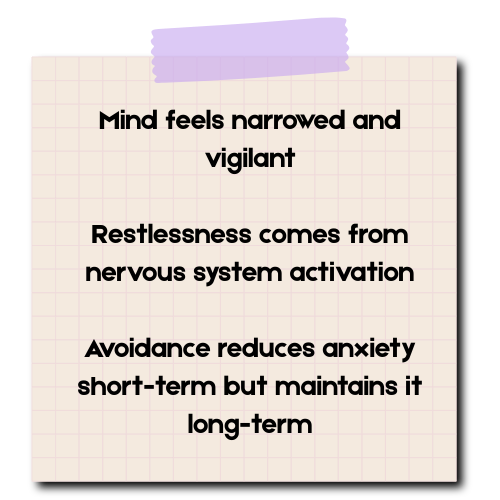
Avoiding emails, tasks, decisions, or responsibilities is a shared coping strategy. Avoidance may provide short-term relief, but often increases stress and self-criticism over time.
9. Emotional Sensitivity and Irritability
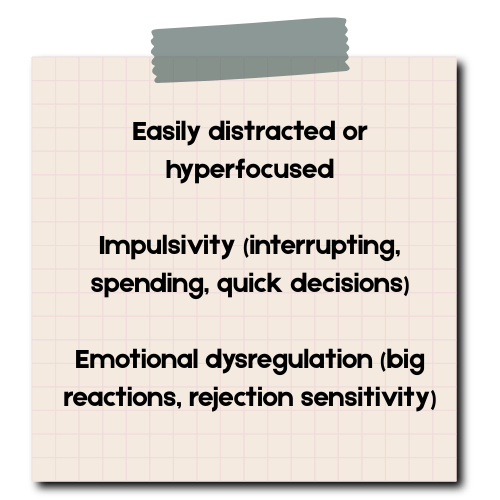
Both ADHD and anxiety can involve heightened emotional responses, low frustration tolerance, and difficulty regulating emotions, especially under pressure.
10. Self-Criticism and Shame
Many adults internalize their struggles, believing they are disorganized, lazy, or “bad at adulthood.” This learned self-criticism is a common outcome, not a personal flaw.
The Big Picture: Same Symptoms, Different Roots
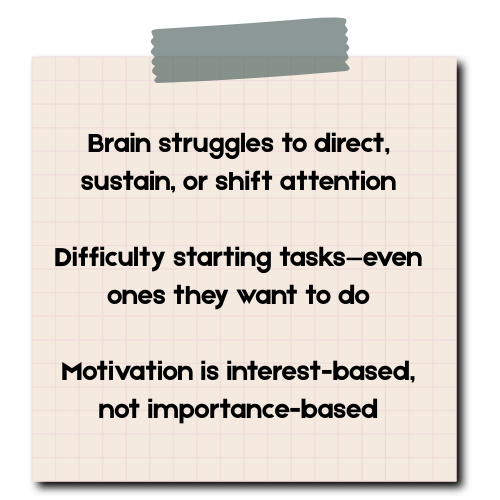
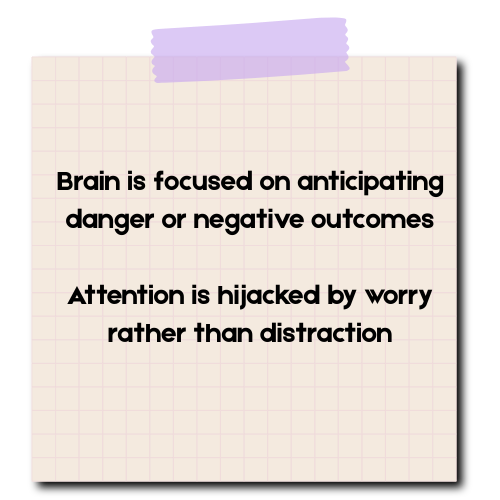
While ADHD and anxiety share many outward symptoms, the reason those symptoms occur can differ. ADHD is rooted in differences in attention and executive functioning, while anxiety is driven by threat perception and nervous system activation.
Still, the lived experience can feel nearly identical—and many adults experience both.
Why This Understanding Matters
Recognizing the overlap:
Reduces misdiagnosis and self-blame
Validates lived experience
Encourages more tailored, compassionate support
Helps people understand why “trying harder” hasn’t worked
Whether someone identifies with ADHD, anxiety, or both, the struggles are real—and they deserve understanding, not judgment.
